🙏 Sacred Iconography
Hastha Mudra
The Sacred Hand Gestures of Lord Buddha
☸ About Mudras
The Language of Sacred Gesture
In Buddhist art and iconography, mudras are symbolic hand gestures that carry profound spiritual meaning. Derived from the Sanskrit word meaning "seal" or "sign," each mudra communicates a specific quality, teaching, or moment from the life of the Enlightened One.
When gazing upon a statue or painting of the Buddha, the position of the hands reveals much about the depicted moment — whether it is the serenity of deep meditation, the courage of fearlessness, the compassion of boundless giving, or the moment of supreme enlightenment beneath the sacred Bodhi tree.
The following seven mudras represent the most revered hand gestures in Theravada Buddhist tradition, each a visual scripture unto itself — a silent sermon in the language of the hand.
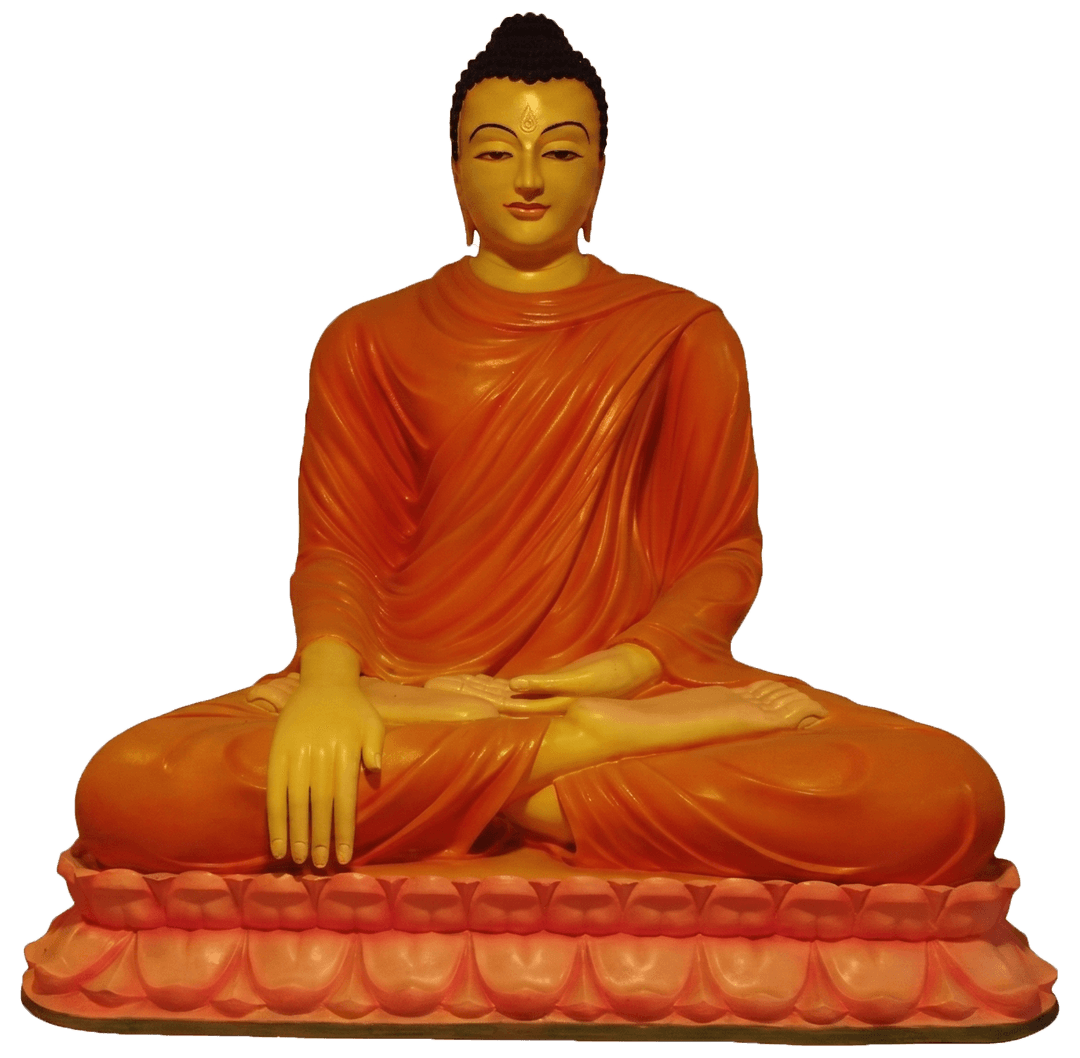
Bhumisparsha Mudra
Bhumisparsha Mudra
Earth-Witness Gesture
This mudra shows the Buddha touching the earth with His right hand, calling the Earth Goddess to witness His spiritual victory over Mara. It symbolizes truth, determination, and the triumph of enlightenment over illusion.
Key Symbolism
- ◆Truth & Determination
- ◆Triumph over Illusion
- ◆Witness of Enlightenment
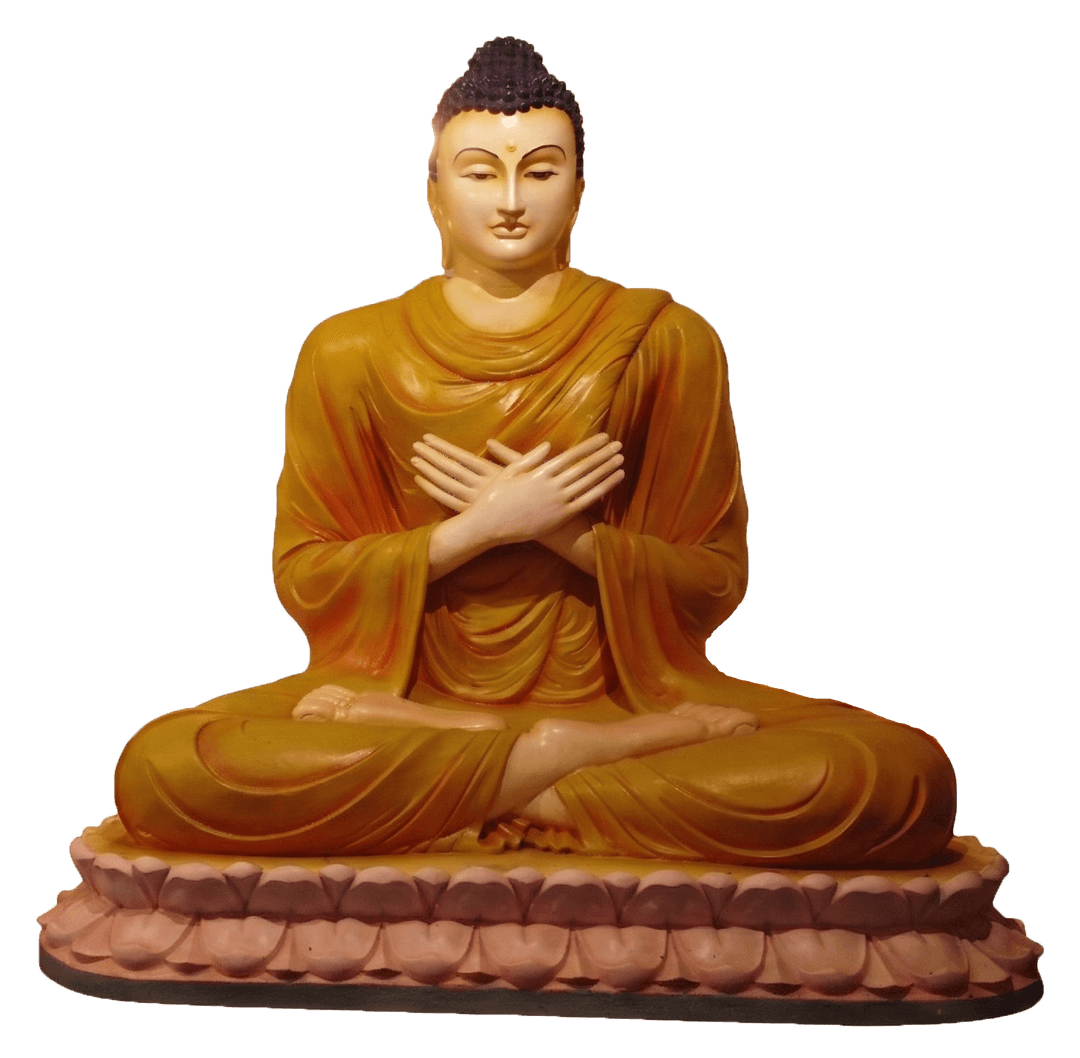
Paradukkha-Dukkhitha Mudra
Paradukkha-Dukkhitha Mudra
Gesture of Compassionate Sorrow
This unique Sri Lankan Buddhist gesture reflects deep compassion and empathy for the suffering of all beings. It symbolizes the Buddha's sorrow for worldly suffering and His profound connection to humanity.
Key Symbolism
- ◆Deep Compassion
- ◆Empathy for Suffering
- ◆Connection to Humanity
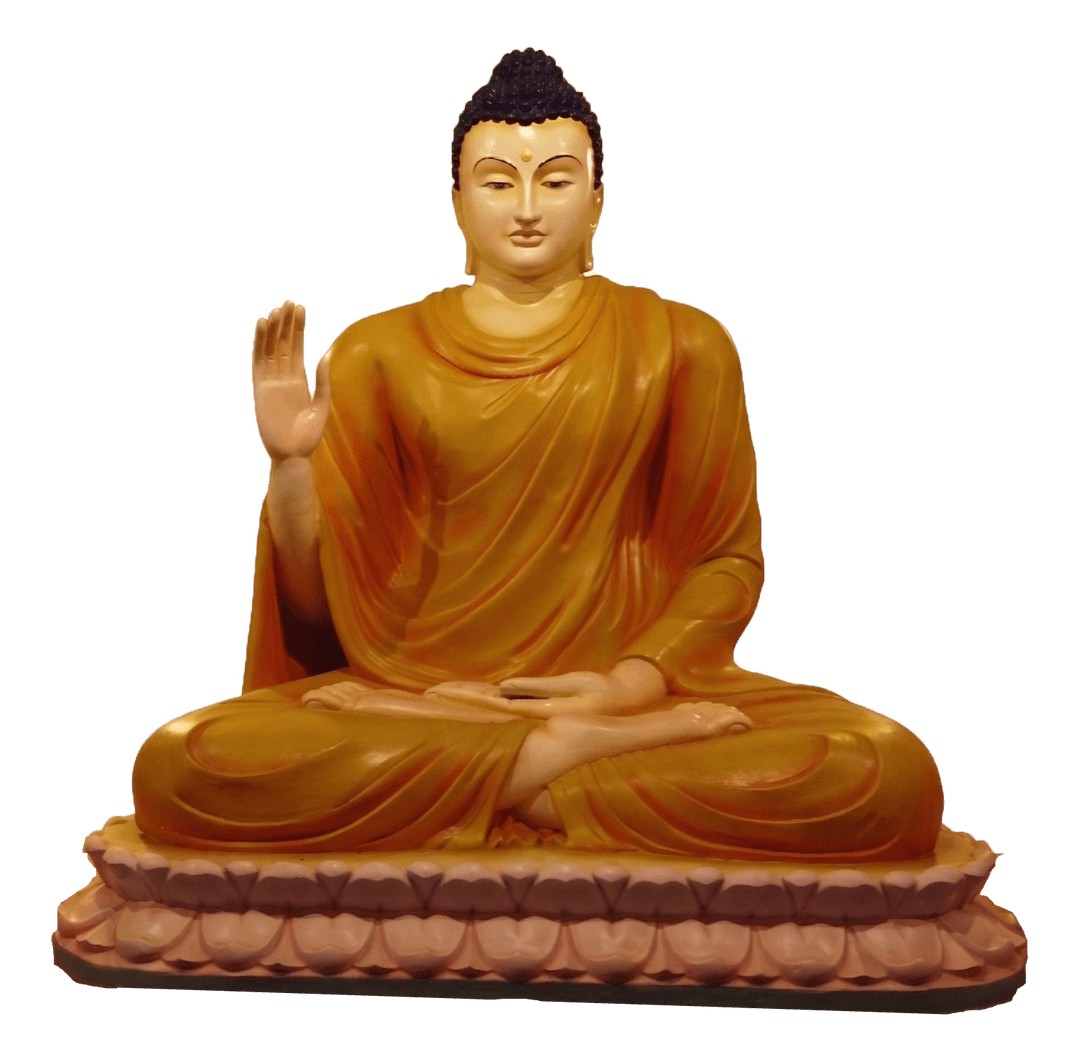
Abhaya Mudra
Abhaya Mudra
Gesture of Fearlessness
This hand gesture, with the palm raised outward, symbolizes protection, peace, courage, and reassurance. It is associated with the Buddha calming fear and protecting beings from danger.
Key Symbolism
- ◆Protection & Peace
- ◆Courage & Reassurance
- ◆Calming of Fear
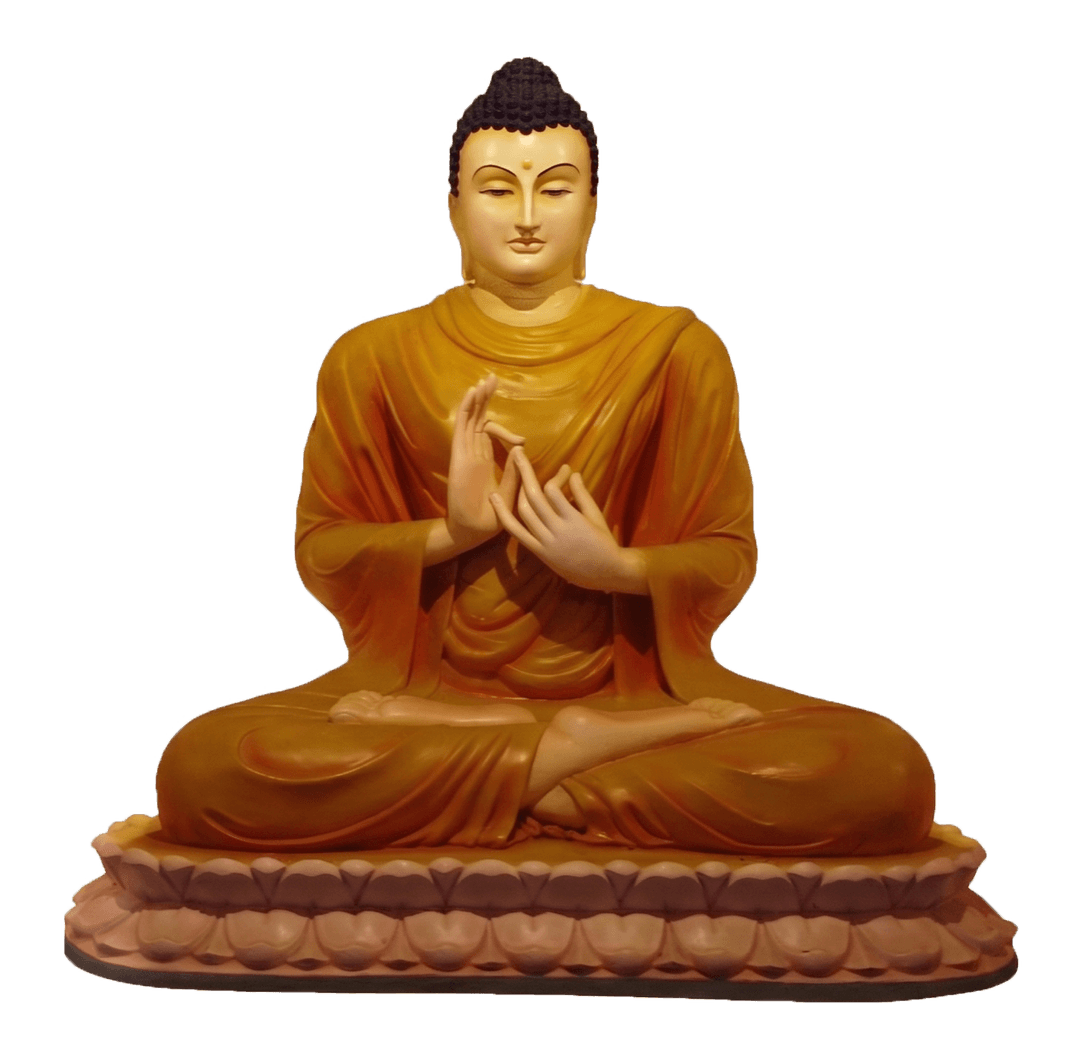
Dharmachakra Mudra
Dharmachakra Mudra
Turning the Wheel of Dharma
This gesture represents the first sermon of the Buddha at Deer Park in Sarnath. It symbolizes the teaching of the Dharma, wisdom, and the beginning of the Buddhist path.
Key Symbolism
- ◆First Sermon at Sarnath
- ◆Teaching of the Dharma
- ◆Beginning of the Path
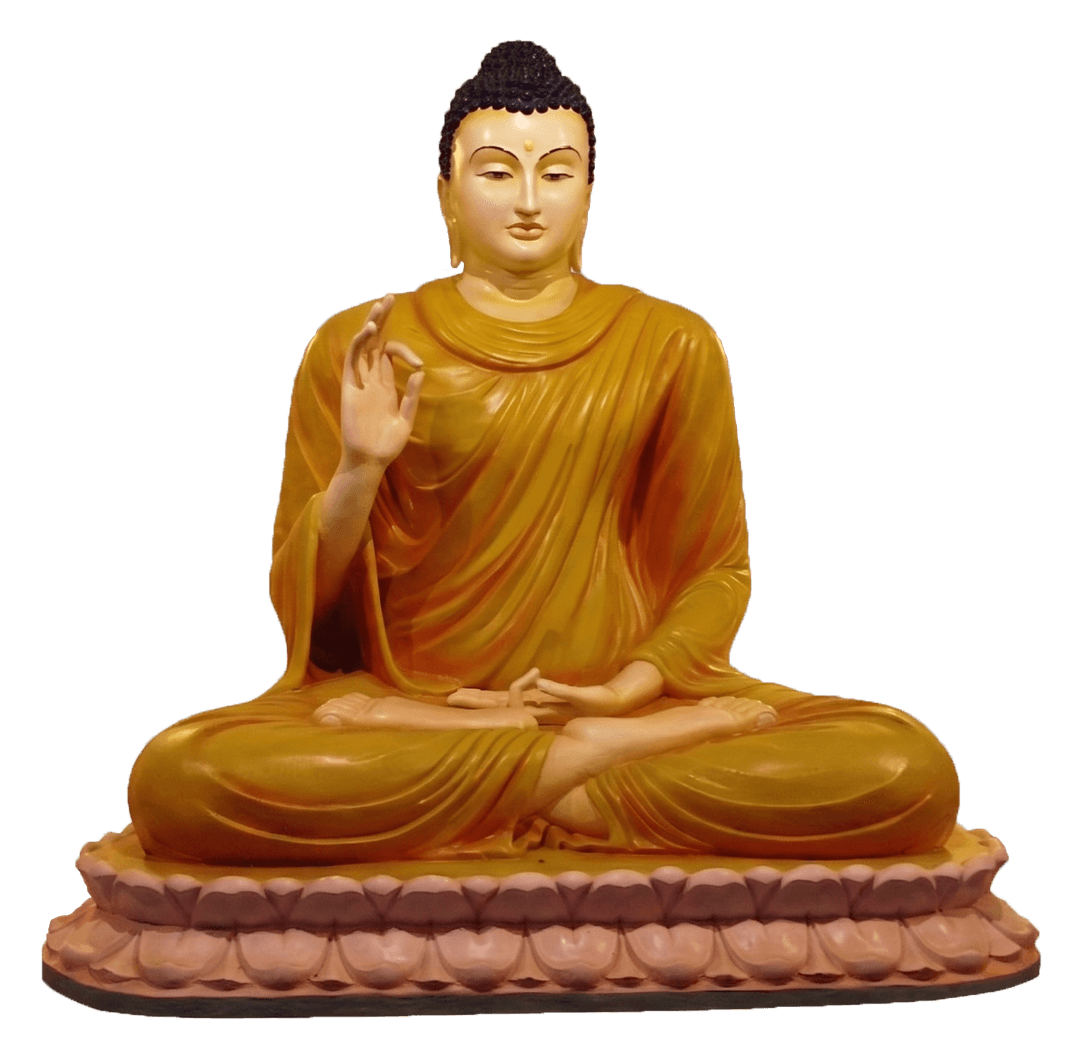
Vitarka Mudra
Vitarka Mudra
Gesture of Teaching and Discussion
This gesture symbolizes teaching, dialogue, wisdom, and philosophical discussion. It reflects the Buddha sharing knowledge and answering deep spiritual questions.
Key Symbolism
- ◆Wisdom & Dialogue
- ◆Philosophical Discussion
- ◆Sharing of Knowledge
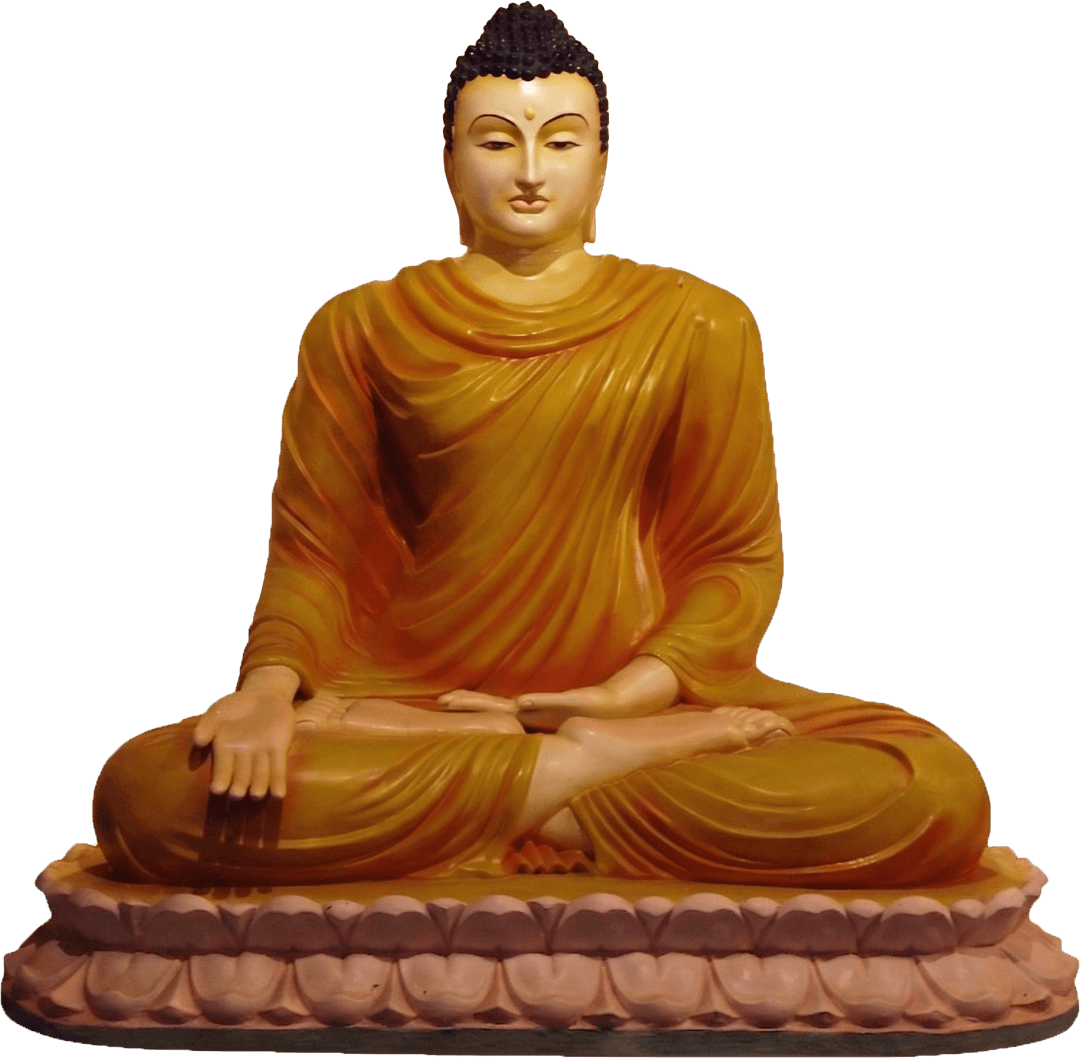
Varada Mudra
Varada Mudra
Gesture of Compassion and Boons
This mudra expresses generosity, compassion, and the offering of blessings. It reflects the Buddha's kindness and willingness to guide all beings toward liberation.
Key Symbolism
- ◆Generosity & Blessings
- ◆Compassionate Kindness
- ◆Guidance to Liberation
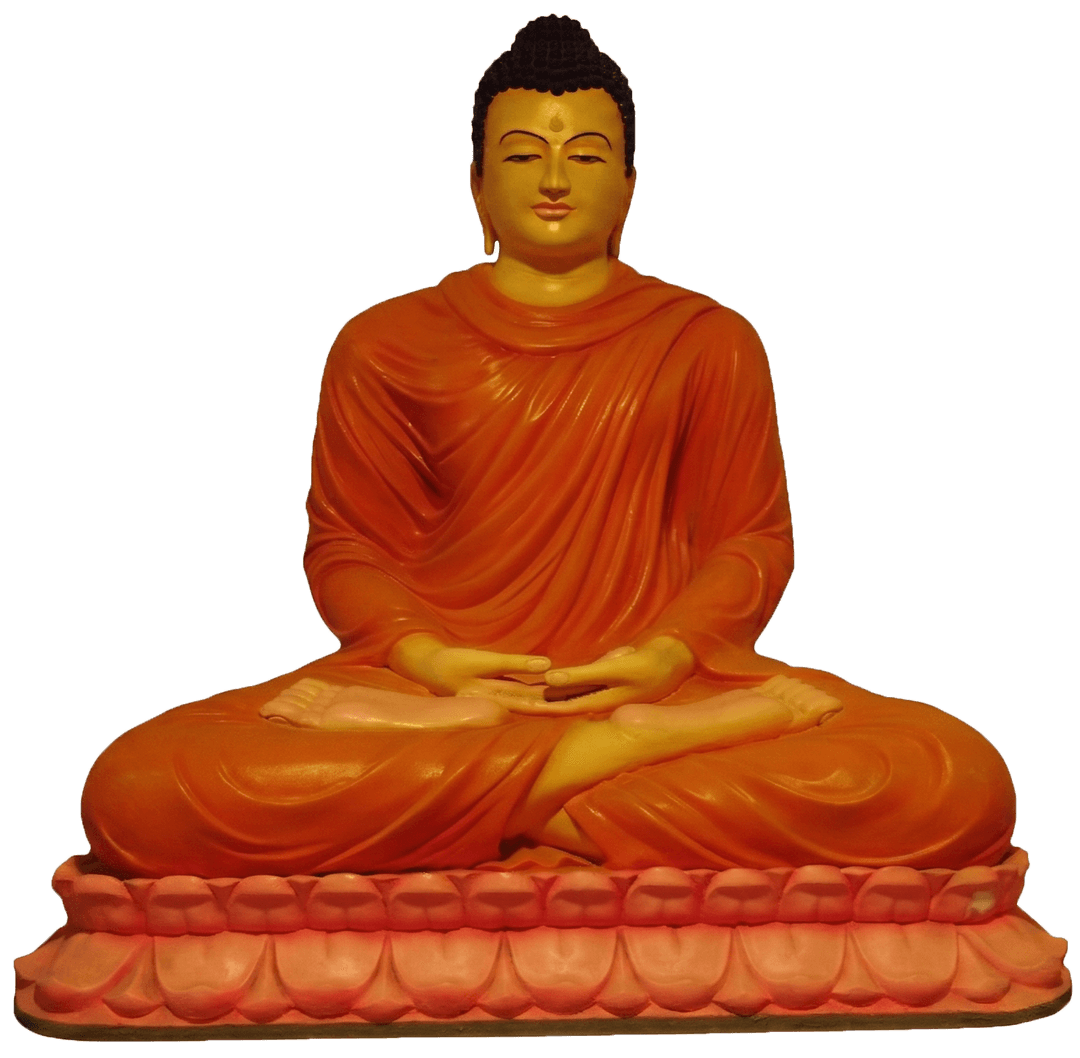
Dhyana Mudra
Dhyana Mudra
Gesture of Meditation
The Buddha is shown in deep meditation with both hands resting in the lap, symbolizing inner peace, concentration, and spiritual absorption. This posture represents the moment of enlightenment under the Bodhi tree and the calmness of the mind.
Key Symbolism
- ◆Inner Peace & Concentration
- ◆Spiritual Absorption
- ◆Enlightenment under the Bodhi Tree
☸ Concluding Reflection
A Complete Language of the Enlightened Mind
Meditation
Dhyana Mudra invites the mind into stillness and inner absorption.
Enlightenment
Bhumisparsha Mudra marks the supreme moment of awakening on earth.
Teaching
Dharmachakra and Vitarka Mudras carry the wisdom of the Dharma forward.
Compassion
Varada and Paradukkha Mudras embody boundless love for all beings.
Protection
Abhaya Mudra offers refuge, peace, and fearlessness to all who seek it.
Through these sacred gestures, the Buddha speaks across centuries without words — guiding the eyes, stilling the mind, and awakening the heart of every devotee who gazes upon Him in reverence.